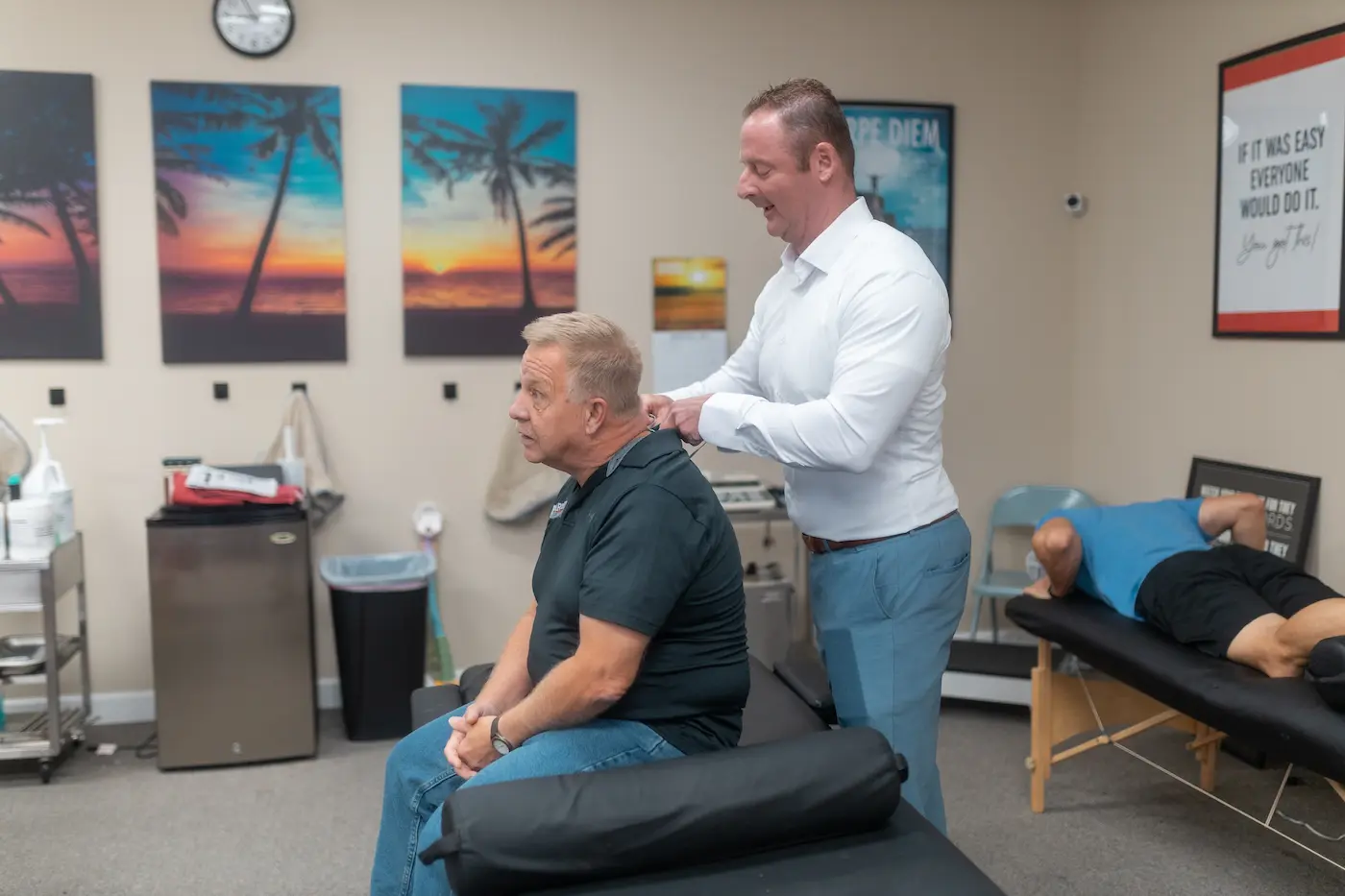
Many tension headaches start in the neck, not the head. Hours at a desk with your screen too low pull your head forward, which tightens the muscles and joints at the base of the skull and the top of the shoulders. That tension can show up as a headache at the back of the head, the temples, or behind the eyes. Gentle adjustments to the upper neck and shoulders, along with a few desk changes, may help reduce how often those headaches hit.
How a Stiff Neck Turns Into a Headache
The nerves in your upper neck share pathways with the nerves that carry sensation from your head. When the joints and muscles near the top of your spine get tight or irritated, your brain can read that as head pain. This is often called a cervicogenic headache, meaning a headache that comes from the neck.
These headaches tend to start at the base of the skull and wrap forward. Many people also notice a stiff neck, sore shoulders, or trouble turning their head fully to one side.
Your head is heavy, roughly the weight of a bowling ball. When it sits directly over your shoulders, your neck handles that load well. When it drifts forward toward a screen, the muscles in the back of your neck have to work much harder to hold it up, all day long.
Desk Habits That Feed the Cycle
Most Quincy patients who come in with this pattern aren’t doing anything unusual. They’re just doing ordinary things for a lot of hours.
Screens Below Eye Level
A laptop on a desk or a monitor set too low means you’re looking down for most of the day. Over time, that forward head posture becomes your default, even when you step away from the computer.
Phones and Tablets
Looking down at a phone in your lap puts the same strain on the neck. It adds up quickly between work, the couch, and scrolling before bed.
Long Stretches Without Moving
Staying in one position for a couple of hours lets the muscles in your neck and upper back stiffen. Short breaks to move are often more helpful than one long stretch at the end of the day.
Sleep, Water, and Weather
Disrupted sleep, not drinking enough water, and even weather changes can make headaches more likely. A pillow that leaves your neck bent at an angle overnight can also set you up for a headache by morning.
What Dr. J Looks For
Dr. Justin Felsman pays close attention to the link between neck tension and how often your headaches show up. Your first visit starts with questions about when they hit, where you feel them, how long they last, and what your workday looks like.
He also takes X-rays on-site and reviews them with you in plain language. That helps show what’s happening in your neck and upper back so the plan is built around what he actually finds.
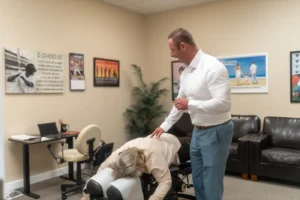
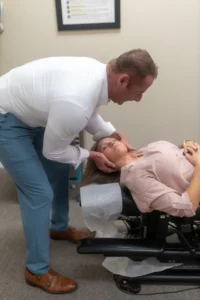
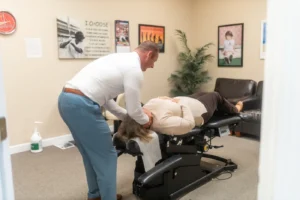
Care for headaches and migraines usually focuses on gentle adjustments to the upper cervical spine and shoulders. Depending on how tight the surrounding muscles are, Dr. J may also use soft tissue methods like Active Release Technique or Graston Technique. You can read about each of these on our Our Method page.
You don’t have to wait for a headache to pass before coming in. Dr. J can treat patients during an active headache or migraine episode.
One patient who came in with headaches and sinus pressure after overexertion shared in a review that upper cervical work made a real difference for them. Every case is different, but it’s a good example of how much the upper neck can be involved. If stiffness is your main complaint, our neck pain page covers that side of things too.
A Quick Desk Reset
Small changes to your setup may help take some pressure off your neck between visits:
- Raise your screen to eye level. A stack of books or a simple monitor stand works fine.
- Do chin tucks. Gently draw your chin straight back, as if making a double chin, and hold for a few seconds. Repeat a handful of times through the day.
- Roll your shoulders. Slow backward shoulder rolls help loosen the muscles that tighten up when you hunch forward.
- Move every 30 to 45 minutes. Stand, walk to refill your water, or stretch for a minute.
- Keep water at your desk. If you see it, you’ll drink it.
- Keep a steady sleep schedule. Going to bed and waking up at similar times may help cut down on headache days.
Headache Warning Signs That Need Emergency Care
Most headaches tied to neck tension aren’t dangerous, but some headaches are a sign of something serious. Call 911 or go to the emergency room if you have:
- A sudden, severe headache that feels like the worst of your life
- A headache with fever and a stiff neck
- Confusion, vision loss, slurred speech, or weakness or numbness on one side of the body
- A headache after a blow to the head or a fall
It’s also a good idea to see your doctor if headaches are new and you’re over 50, or if your headache pattern suddenly changes.
Frequently Asked Questions
Is a tension headache the same as a migraine?
No. Tension headaches usually feel like a band of pressure or tightness and are often tied to the neck and shoulders. Migraines tend to be more intense and can come with nausea or sensitivity to light and sound. Neck tension can play a part in both.
Can I come in while I have a headache?
Yes. Dr. J can treat patients during an active headache or migraine episode, so there’s no need to wait for it to pass.
How many visits will it take to notice a difference?
It depends on how long you’ve been dealing with headaches and what’s driving them. Headaches that have been going on for years usually need more care than a pattern that started recently.
Does my pillow really matter?
It can. A pillow that keeps your neck roughly in line with your spine is a better fit than one that props your head up high or lets it drop. Many people do well with a supportive pillow that fills the space between the neck and the mattress.
Get Help for Headaches in Quincy
If headaches are cutting into your workday or your evenings, it’s worth finding out whether your neck is part of the problem. Dr. J will take the time to look at the whole picture and explain what he finds.
Call us at 217-242-0420 or schedule your appointment online. You can fill out your intake form ahead of time to make your first visit quicker.